

Material Matters: The Truth About Organic Cotton vs. Acrylic Yarn
Introduction
We are living in an era of 'greenwashing'. Walk down any High Street in London, look at the window displays, and you will see signs proclaiming "conscious collections" and "eco-friendly initiatives." But when you flip the label on that trendy crochet bag, what does it actually say?
More often than not, it says: 100% Acrylic.
At DeMama, we believe in radical transparency. If you are investing in a handmade piece, you deserve to know exactly what you are carrying. Today, we are taking a deep dive into sustainable yarn types, stripping away the marketing jargon, and exploring the fundamental differences between organic cotton and synthetic acrylic.
The Acrylic Illusion: Wearing Plastic
Let us be completely candid. Acrylic is plastic. It is a synthetic fibre made from a polymer (polyacrylonitrile), which is derived from petroleum and fossil fuels.
Why do fast fashion brands love it so much?
-
It is incredibly cheap to produce.
-
It takes artificial dyes easily, creating neon, unnatural colours.
-
It mimics the look of wool from a distance.
But the reality of carrying an acrylic bag or wearing an acrylic cardigan is far less appealing. Acrylic does not breathe, leading to that uncomfortable, sweaty feeling. Furthermore, every time you wash an acrylic garment, it sheds hundreds of thousands of microplastics directly into the UK’s water systems.
When you buy a mass-produced acrylic crochet bag, you are essentially buying a single-use plastic bag in disguise.
The Organic Cotton Difference: Raw, Breathable, Real
Now, let us look at the alternative. Organic cotton is grown without the use of toxic pesticides or synthetic fertilisers, relying on natural ecological processes.
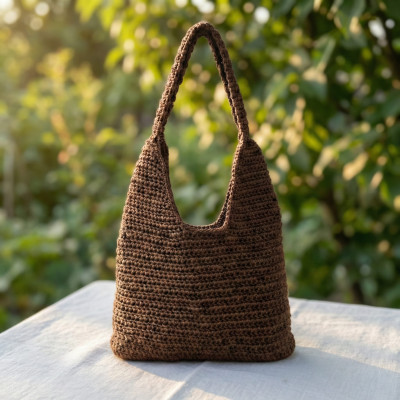
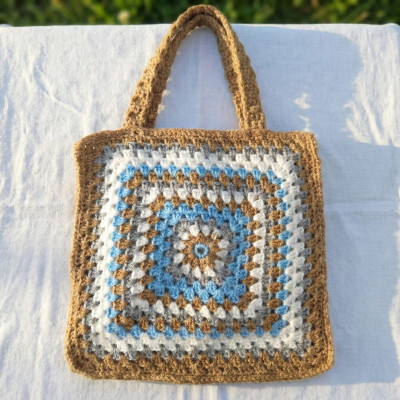
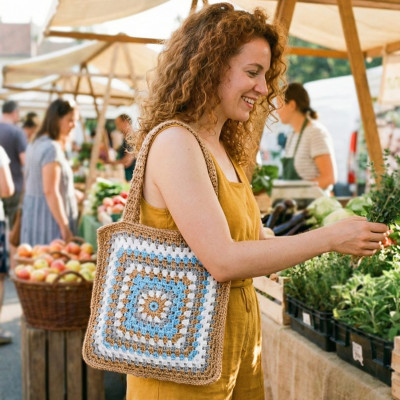
The moment you touch an eco-friendly crochet bag made from organic cotton, the difference is undeniable.
-
The Texture: It feels grounded and real. Organic cotton has a matte, natural finish that softens beautifully over time without losing its structural integrity. It possesses a raw beauty that shiny synthetic yarns simply cannot replicate.
-
The Breathability: Cotton is naturally breathable and hypoallergenic, making it the perfect material for summer tops and daily commuter bags.
-
The Lifecycle: Cotton is biodegradable. It comes from the earth, and at the end of its very long life, it can return to it.
Radical Transparency: Why Our Bags Cost More
We often see comments asking why an independent UK maker charges £85 for a crochet tote, whilst a fast-fashion retailer sells a "similar" one for £18.
The answer lies in the true cost of materials and labour.
A £18 bag is made from cheap petroleum derivatives (acrylic) and is often machine-manufactured or outsourced to unregulated factories where workers are paid pennies per hour.
At DeMama, our prices reflect reality:
-
Premium Sustainable Yarns: Sourcing high-quality, certified organic cotton costs significantly more than buying bulk acrylic. We pay for the health of the soil and the safety of the farmers.
-
Time and Skill: A genuine crochet piece cannot be made by a machine. Every single stitch on our bags is formed by hand in our studio. A single bag can take anywhere from 8 to 15 hours to complete.
-
Longevity: You are not buying a trend that will end up in a landfill next season. You are investing in a durable, tactile piece of art designed to last for years.
Conclusion: The Power of Your Purchase
Every time you buy a piece of clothing or an accessory, you are casting a vote for the kind of world you want to live in. In 2026, we have the power to reject the plastic masquerading as fashion.
Choose materials that matter. Choose textures that feel real.
See also: FAQ - How should I care for my crocheted clothes and bags?
Related Products